

A Brief History of Artificial Plants
Edited by Florona Team · 2026


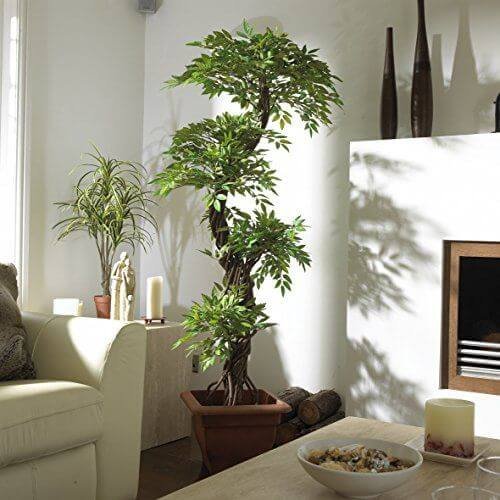
As we move forward into a new era of living and design, it’s worth looking back. Artificial plants—now seen as refined, stylish, and intentional—have a surprisingly rich history rooted in craftsmanship, status, and innovation.
Long before faux greenery became a modern interior essential, it began as a symbol of luxury, artistry, and human ingenuity.
The Origins: Silk & Craftsmanship in Ancient China
The story of artificial plants begins in ancient China, over 3,000 years ago, with the discovery and cultivation of silk. Originally reserved for royalty and the elite, silk was prized for its softness, beauty, and rarity.
Legend tells of Leizu, wife of the Yellow Emperor, who noticed a silkworm cocoon unravel into a long, delicate thread after falling into her tea. From that moment, silk-making was born—and with it, the earliest foundations of artificial floral artistry.
Over centuries, Chinese artisans mastered silk weaving and began shaping the material into ornamental flowers, admired not only for beauty but for their permanence. These early faux florals adorned imperial palaces, ceremonial garments, and even hairstyles of noblewomen.


From Royal Symbol to European Art Form
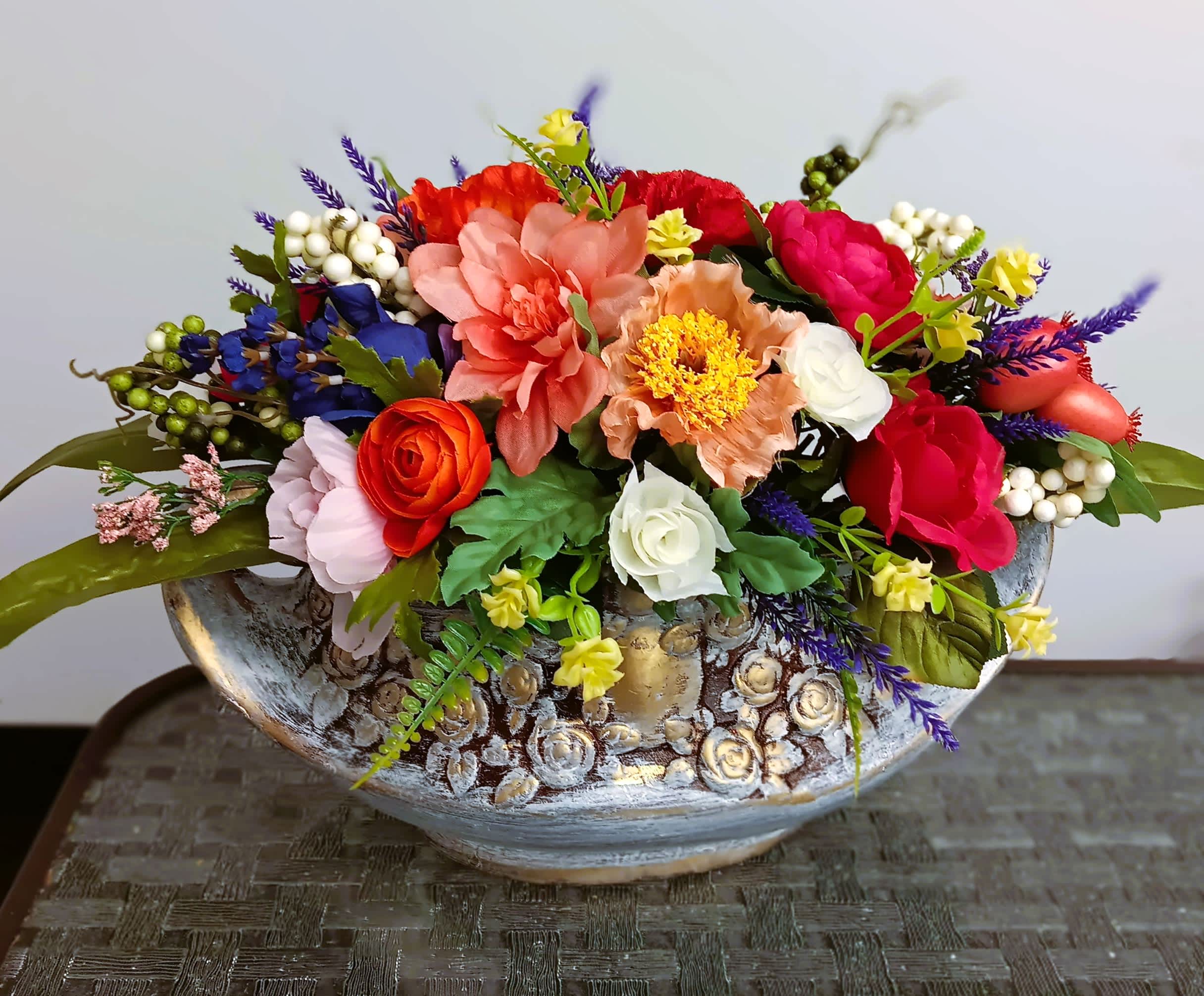
As trade routes expanded across Asia and into Europe, the art of silk flower-making traveled with them. By the 12th century, Italian artisans were crafting their own versions of artificial flowers, followed soon by the French—who elevated the craft to an entirely new level.
By the 14th century, France became synonymous with exquisite silk florals. Faux flowers were no longer simply decorative; they became symbols of elegance, refinement, and status. Historical accounts even tell of Marie Antoinette being presented with a silk rose so realistic it was said to have moved her to tears.
These creations were used in fashion, interior decor, millinery, and court life—cementing artificial florals as objects of desire rather than substitutes.


The Victorian Era & The Language of Flowers
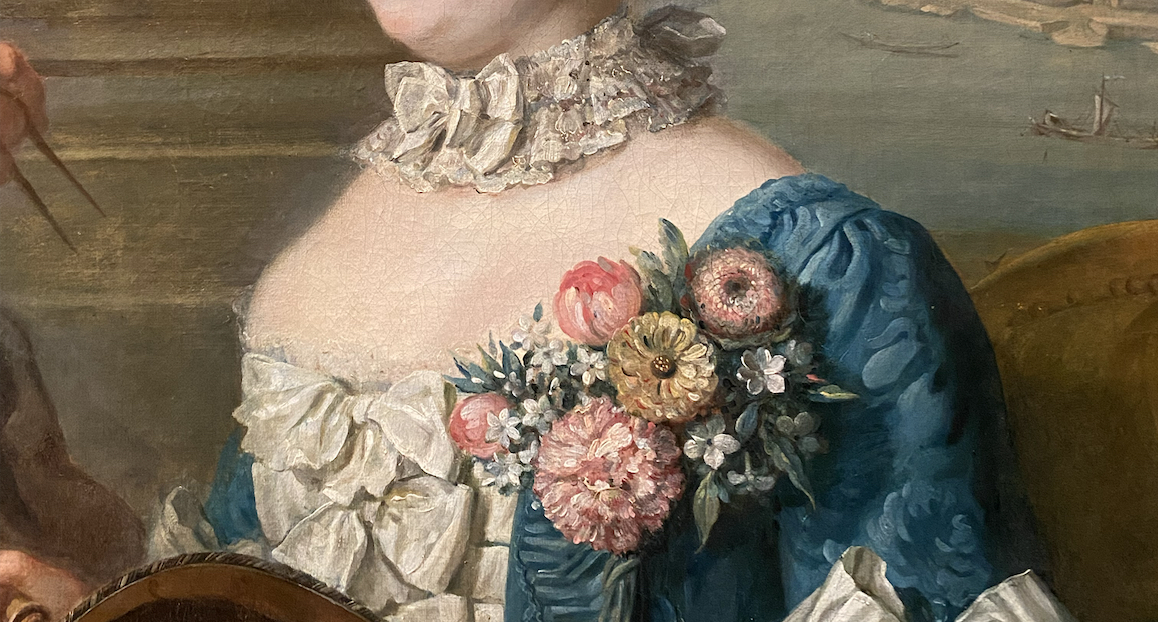
During the Victorian era, artificial flowers experienced a renaissance. Homes overflowed with ornate decor, and silk florals became central to expressing sentiment, symbolism, and personal identity.
This period gave rise to the “language of flowers,” where each bloom carried meaning—love, mourning, hope, devotion. Faux flowers were designed not only to decorate, but to communicate.
Advancements in materials followed. Artisans began experimenting with satin, gauze, crepe, and blended fabrics to create even more dramatic, lasting arrangements. By the early 20th century, artificial florals were commonly used to offset seasonal shortages and maintain visual consistency.
Modern Faux Greenery: Beauty Without Limits
Today, artificial plants are no longer made from silk, but from advanced materials like polyester and modern polymers—allowing for durability, realism, and versatility unimaginable in the past.
What was once dismissed as artificial has now become intentional. Faux plants defy seasons, lighting limitations, and maintenance demands. They are widely used in homes, offices, hotels, and restaurants—often blended seamlessly with real plants by professional designers.
Modern artificial greenery is celebrated for its realism, longevity, and ability to transform spaces effortlessly. What once symbolized status now represents balance, ease, and thoughtful living.


Timeless by Design
From imperial gardens to contemporary interiors, artificial plants have evolved alongside human creativity. Today’s faux greenery captures the essence of nature while freeing us from its limitations—allowing beauty to exist wherever we choose.
And sometimes, the most natural-looking thing in a room isn’t alive at all.


