



Happy National Poinsettia Day
Fun Facts About This Iconic Winter Flower
Edited by Florona Team · 2026


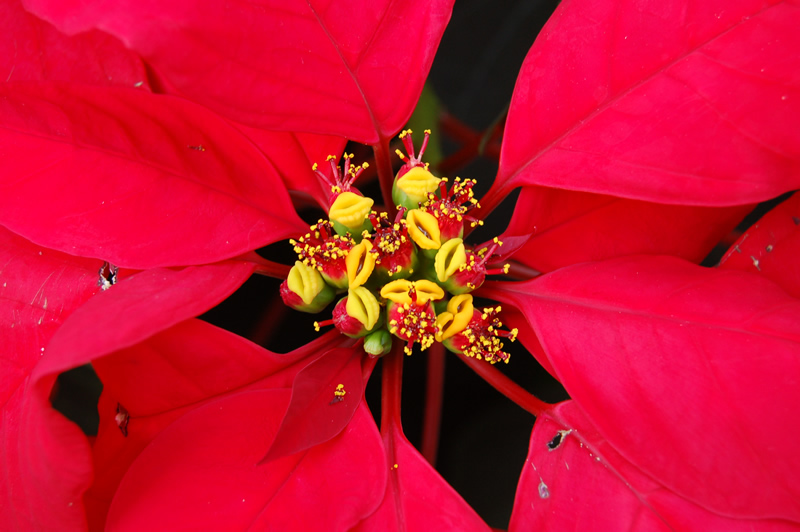
We may be halfway to Christmas, but December 12th marks a celebration of one of winter’s most iconic plants — National Poinsettia Day. Instantly recognizable by its bold red hues, the poinsettia has become a timeless symbol of warmth, tradition, and holiday spirit.
To honor this special day, let’s explore a few fascinating facts behind the fiery flower that continues to light up homes every winter.
Why December 12th Matters
National Poinsettia Day commemorates December 12, 1851, the day Joel Roberts Poinsett — botanist, physician, and the first U.S. Minister to Mexico — passed away. During his time in southern Mexico, he discovered the plant growing wild and later introduced it to the United States, forever changing winter décor traditions.
In Mexico, the poinsettia is known as La Flor de la Nochebuena — The Flower of the Holy Night — and is closely tied to Christmas celebrations and the Day of the Virgin of Guadalupe, also observed on December 12th.
A Flower Rooted in Legend
One beloved legend tells the story of a young girl in Mexico who had nothing to offer Baby Jesus during a Christmas procession. An angel appeared and told her that any gift given with love would be enough. She gathered weeds from the roadside and placed them at the manger — where they miraculously transformed into radiant red poinsettias.
This story cemented the flower’s association with humility, devotion, and heartfelt giving.
Ancient Origins & Aztec Symbolism
Long before poinsettias became a Christmas staple, the Aztecs cultivated the plant under the name Cuitlaxōchitl, meaning “mortal flower that perishes like all that is pure.”
They believed:
-
The plant was a gift from the gods
-
Its red pigment symbolized sacrifice and renewal
-
The sap was used medicinally to treat fevers
Legend even claims that King Montezuma ordered poinsettias transported by caravan to decorate his palace in present-day Mexico City.
Botanical Facts You May Not Know
-
The botanical name Euphorbia pulcherrima translates to “very beautiful.”
-
The vibrant red “petals” aren’t flowers at all — they’re bracts, specialized leaves.
-
The true flowers are the small yellow buds clustered at the center.
-
Poinsettias are not poisonous to humans, though pets may experience mild irritation if ingested.
-
The plant is also nicknamed the lobster flower or flame-leaf flower due to its dramatic coloring.
More Than Just Red
While classic crimson poinsettias dominate the season, modern varieties bloom in:
-
White
-
Blush pink
-
Burgundy
-
Apricot
-
Yellow
-
Marbled and speckled tones
Today, poinsettias remain the best-selling potted flowering plant worldwide, proving their lasting appeal across cultures and generations.
A Modern Take on a Timeless Flower
Although live poinsettias can bloom year-round, they require careful maintenance and precise light conditions. For effortless beauty, many homes now opt for artificial poinsettias — offering the same rich color and festive impact without wilting, fading, or seasonal limitations.
Styled thoughtfully, faux poinsettias can transition seamlessly from holiday décor into winter and even year-round accents, keeping spaces warm and inviting long after Christmas has passed.


