





January’s Birth Flowers: Carnations & Snowdrops
Updated 2026 · Edited by Florona Team
Flowers have long been used as a language of emotion — symbols that speak when words fall short. And just as every month carries its own story, each one is also represented by unique birth flowers.
For January, those blooms are Carnations and Snowdrops — two flowers that beautifully balance warmth and hope in the heart of winter.
One is full, expressive, and enduring.
The other is delicate, quiet, and resilient.
Together, they perfectly reflect January’s spirit: strength, renewal, and sincerity.
January Birth Flower #1: Carnations — Enduring, Expressive & Full of Meaning
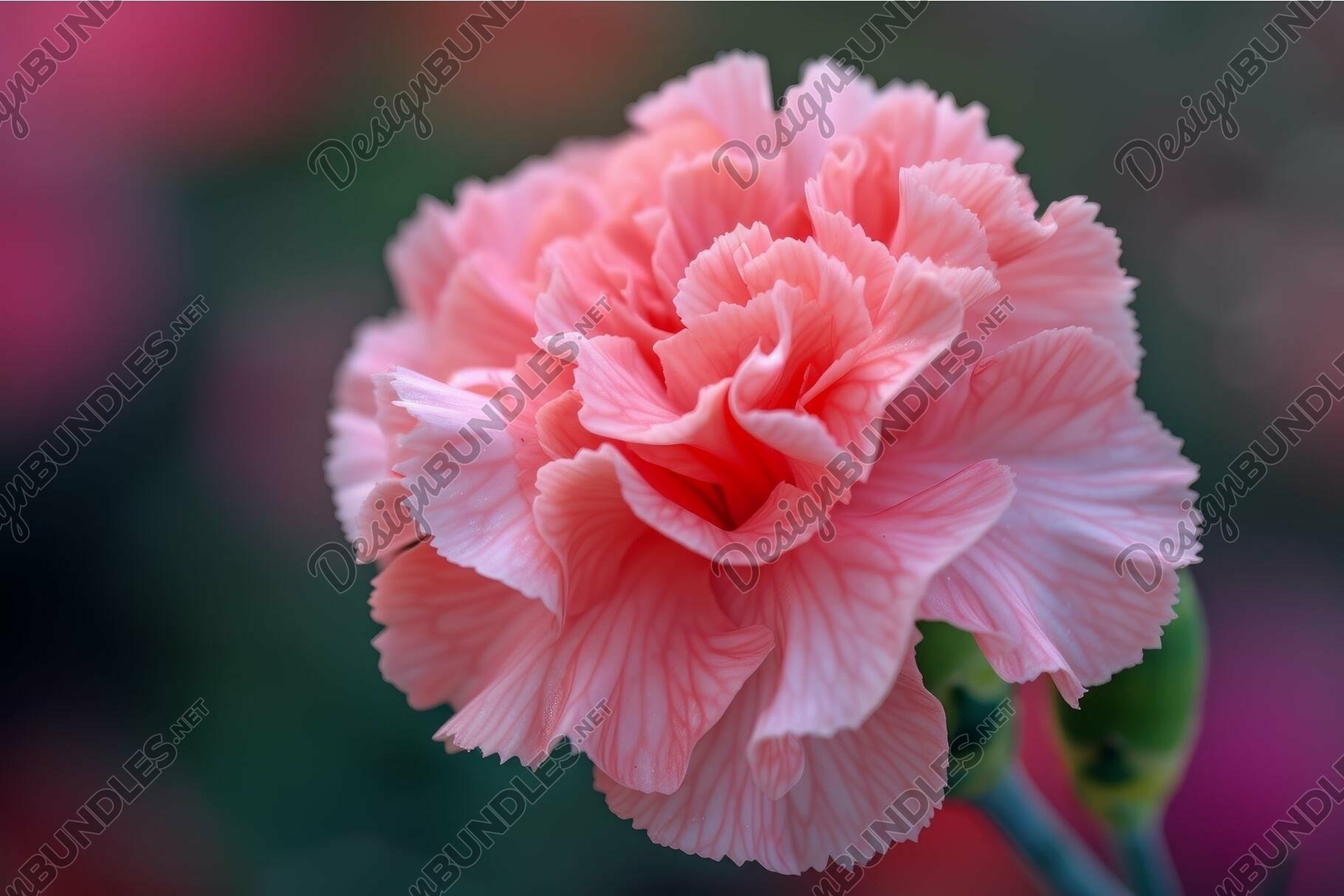

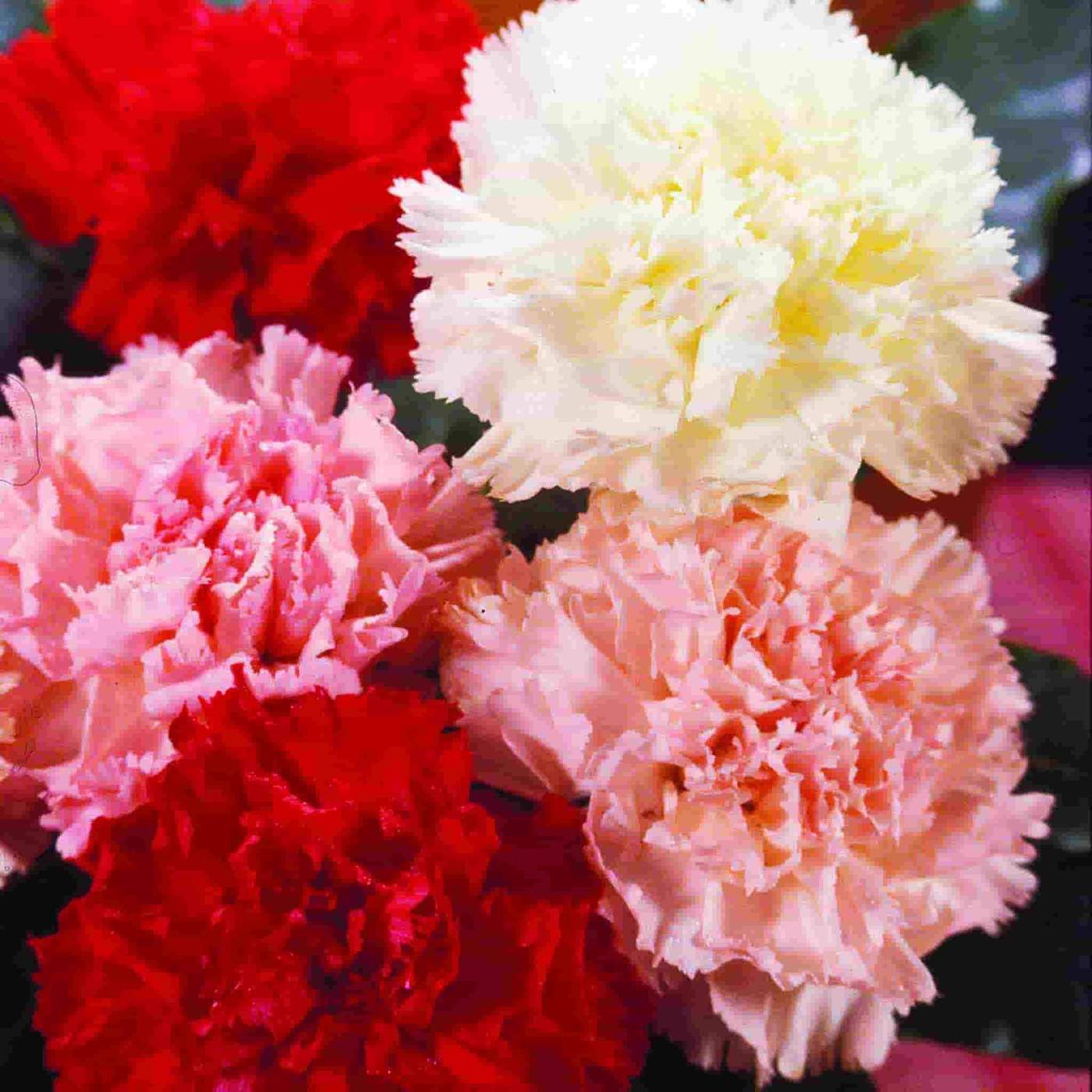
Brightening even the coldest winter days, carnations are among the most cheerful and long-lasting flowers in the floral world. With their ruffled petals and wide range of colors, they’ve been cherished for centuries.
A Flower With Ancient Roots
Carnations are believed to originate from the Mediterranean region and were widely cultivated in Ancient Greece and Rome, where they were used in crowns and ceremonial décor. Their botanical name, Dianthus caryophyllus, translates to “Flower of the Gods” — a testament to their revered status.
Historically, carnations were used for:
-
Medicinal remedies
-
Culinary infusions and fragrances
-
Religious symbolism and classical art
Today, they remain one of the most versatile and meaningful flowers worldwide.
What Do Carnations Symbolize?
Carnation meanings vary by color:
-
White — purity, luck, and innocence
-
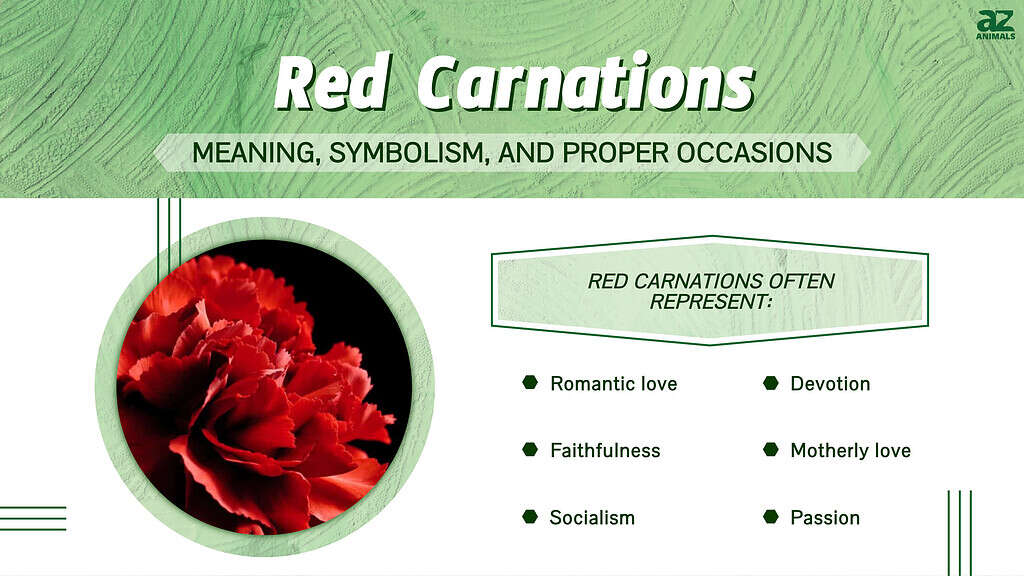
Dark Red — deep love and affection
-
Light Red — admiration and respect
-
Pink — gratitude and appreciation
-
Purple / Lavender — spontaneity and thoughtful affection
Because of their symbolism, carnations are often associated with motherly love, gratitude, and devotion.
Carnations & January Zodiac Signs
As January’s birth flower, carnations align with Capricorn and Aquarius personalities:
-
Capricorn — discipline, leadership, and loyalty
-
Aquarius — intelligence, independence, and emotional depth
January Birth Flower #2: Snowdrops — Gentle, Hopeful & Symbolic
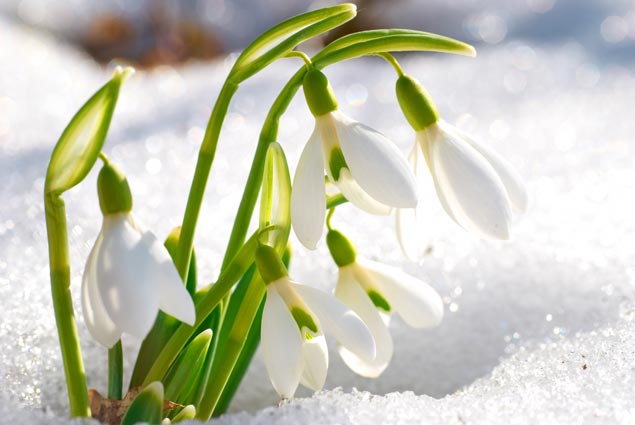
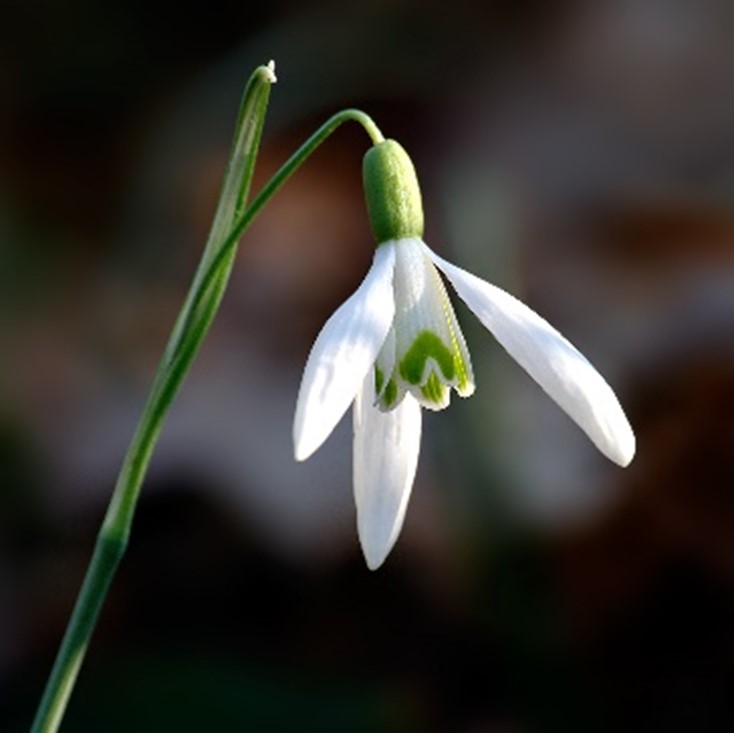

At first glance, snowdrops appear fragile — small white blooms that bow gently toward the ground. But beneath their delicate form lies remarkable resilience.
Snowdrops are among the first flowers to bloom at the end of winter, sometimes even pushing through snow — making them powerful symbols of hope and rebirth.
A Symbol Rewritten Over Time
Once associated with mourning and funerals due to their white color and drooping shape, snowdrops have since evolved into a symbol of:
-
Renewal
-
Purity
-
New beginnings
-
Optimism after hardship
They thrive in cold climates and signal that spring is near — even when winter still lingers.
What Do Snowdrops Symbolize?
Snowdrops commonly represent:
-
Hope
-
Rebirth
-
Innocence
-
Comfort & sympathy
Today, they are gifted not as symbols of loss, but as reminders that light always follows darkness.
Carnations & Snowdrops: A Perfect January Pair

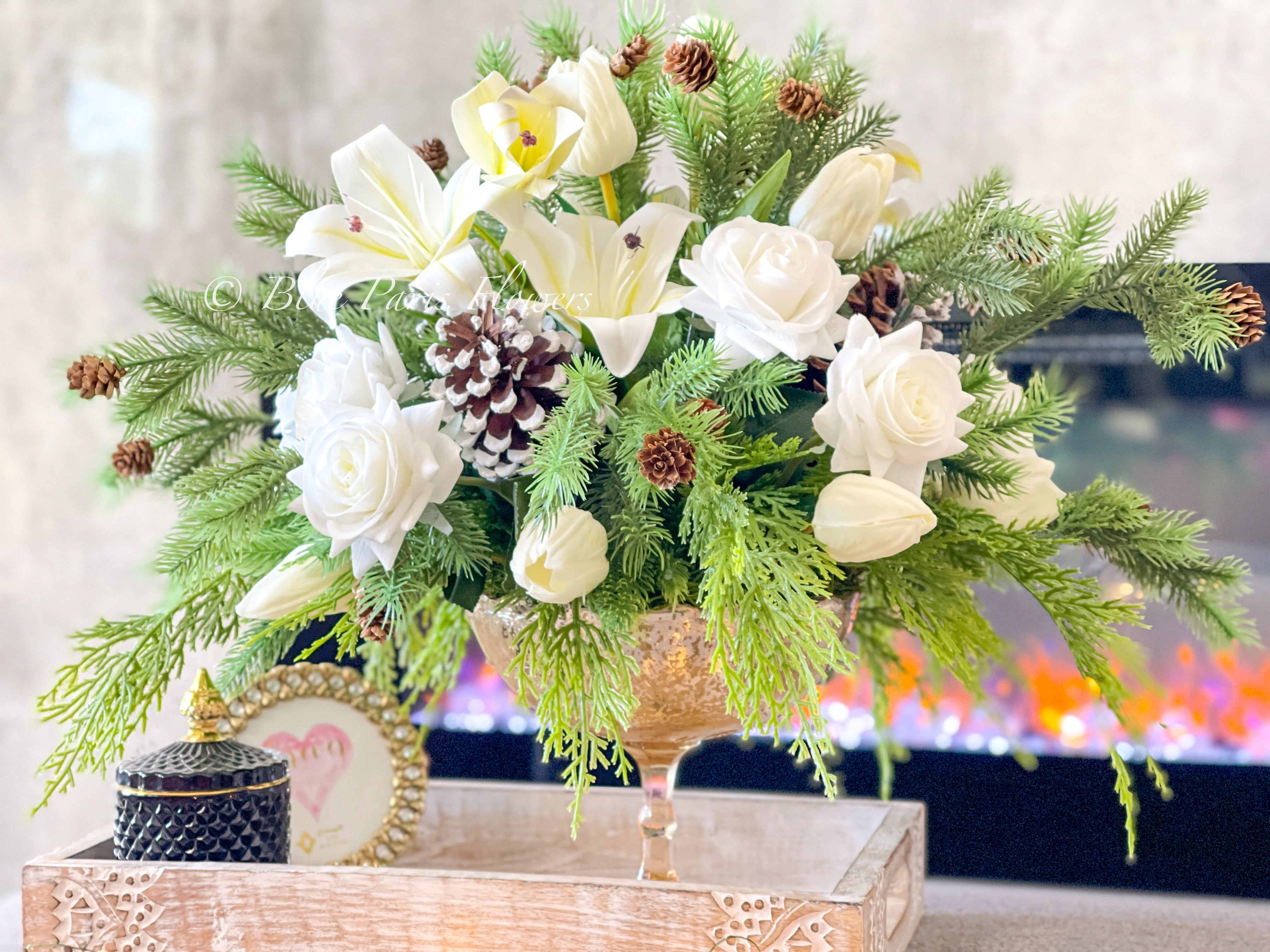
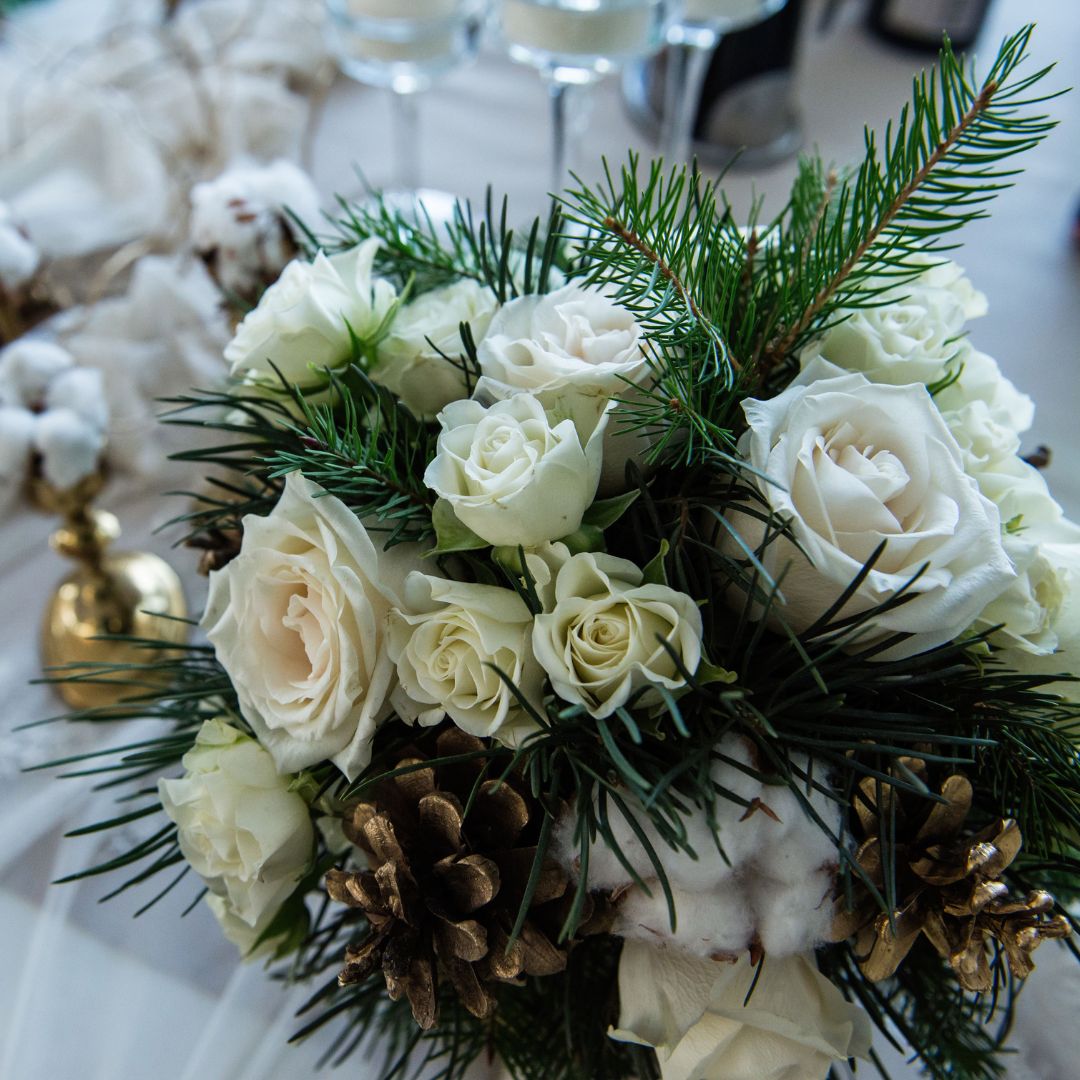
Together, January’s birth flowers tell a meaningful story:
-
Carnations express warmth, love, gratitude, and emotional strength
-
Snowdrops embody hope, renewal, and quiet resilience
They reflect the beauty of January — a month that begins the year with intention, strength, and possibility.
A Thoughtful January Birthday Gift That Lasts
For those celebrating a January birthday, artificial carnation or snowdrop arrangements make a deeply meaningful gift. They preserve symbolism without fading, offering beauty that lasts well beyond the season.
Perfect for:
-
Winter home décor
-
Thoughtful birthday gifting
-
Sentimental keepsakes with lasting meaning
Explore Florona’s January Birth Flower Collection and celebrate the season of new beginnings with timeless artificial florals designed to bloom beautifully — year after year.
All imagery featured is for inspiration purposes only.


