



The Spookiest (And Creepiest!) Plants for Halloween
Nature’s Dark Side, Beautifully Unsettling
Edited by Florona Team · 2026


Halloween may be best known for glowing jack-o’-lanterns and playful costumes, but the natural world offers its own brand of eerie beauty. From blood-red blooms to ghostly white plants that thrive in darkness, nature has crafted species that feel straight out of a horror tale.
In honor of Halloween, we’re spotlighting some of the spookiest and most unsettling plants on Earth — fascinating, mysterious, and just a little bit chilling.
Red Spider Lily
(Lycoris radiata)
Delicate yet haunting, the Red Spider Lily is known for its spindly petals and intense crimson hue. When these flowers bloom in fields, they resemble rivers of blood. In East Asian folklore, they’re often associated with death, rebirth, and the afterlife — making them a perfect Halloween botanical.
Black Bat Flower
(Tacca chantrieri)
This rare tropical plant looks more like a creature than a flower. With dark, wing-shaped petals and long whisker-like tendrils, the Black Bat Flower resembles a bat mid-flight. Its dramatic appearance has earned it a place among the most gothic plants in nature.
Hooker’s Lips
(Psychotria elata)
Bright red and oddly human, this plant forms puckered, lip-shaped bracts that look like a kiss frozen in time. The effect is brief — once the “lips” open, small flowers appear. Strange, surreal, and slightly unsettling, it’s one of nature’s most bizarre illusions.
Snapdragon Seed Pods
(Antirrhinum)
While snapdragons are cheerful when in bloom, their dried seed pods tell a different story. Once the petals fall away, the pods resemble tiny skulls — a macabre transformation that has inspired myths, legends, and Halloween imagery for centuries.
Japanese Blood Grass
(Imperata cylindrica)
Sharp, blade-like leaves tipped in deep red give this grass an ominous appearance. When planted en masse, it can look like a blood-soaked field. Though visually striking, it’s also one of the world’s most aggressive invasive plants.
Ghost Plant
(Monotropa uniflora)
Pale, translucent, and leafless, the Ghost Plant lacks chlorophyll and survives by feeding on fungi connected to tree roots. Found in dark forests, it looks more spectral than botanical — a true apparition of the plant world.
Strangleweed
(Cuscuta species)
Often called witch’s hair or devil’s guts, Strangleweed is a parasitic plant that wraps itself around other plants, draining their nutrients. Its threadlike, webbed appearance gives it an especially sinister reputation.
Devil’s Helmet (Wolf’s Bane)
(Aconitum genus)
This deceptively beautiful purple flower is one of the most poisonous plants in the world. Historically used in both medicine and assassination, Devil’s Helmet has long been linked to dark folklore, magic, and myth.
Doll’s Eye
(Actaea pachypoda)
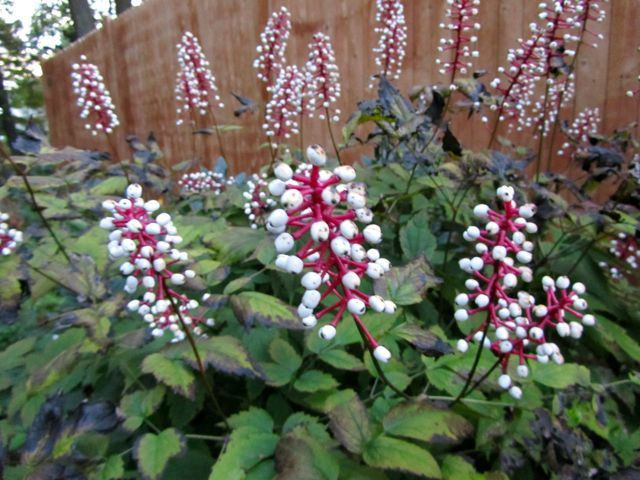
Perhaps one of the creepiest plants ever discovered, Doll’s Eye produces white berries with black centers that look eerily like staring pupils. Highly toxic and visually disturbing, it’s a botanical nightmare made real.
Deadly Nightshade
(Atropa belladonna)
With a name steeped in fear, Deadly Nightshade has a long history in poisons, cosmetics, and medicine. Its glossy black berries and delicate purple flowers hide lethal toxins beneath their beauty.
Corpse Flower
(Amorphophallus titanum)
Famous for its overwhelming stench of rotting flesh, the Corpse Flower blooms only once every few years. When it does, its massive burgundy spathe attracts insects from miles away — a dramatic and unforgettable spectacle of nature’s dark side.
Final Frights
These eerie plants remind us that beauty and darkness often coexist in nature. While they may not belong in your living room, their forms, colors, and stories continue to inspire seasonal décor, art, and Halloween styling.
For a spooky atmosphere you can bring home — minus the danger — explore Halloween-inspired décor and faux botanicals designed to capture the mood without the menace.
🏷 TAGS
halloween decor inspiration
seasonal botanical stories


