



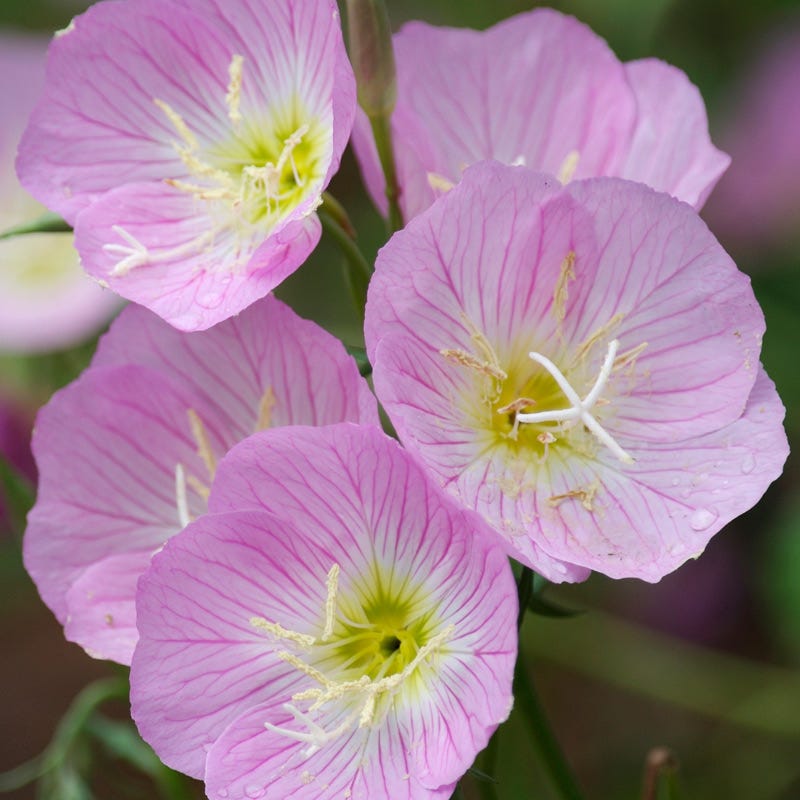

February Birth Flower: Violet & Primrose
Updated 2026 · Edited by Florona Team
Roses may steal the spotlight in February thanks to Valentine’s Day — but they’re not the only flowers worth celebrating. February’s true birth flowers are Violet and Primrose, two blooms rich in symbolism, history, and emotional depth.
One is deep, romantic, and quietly powerful.
The other is bright, youthful, and full of springtime optimism.
Together, Violet and Primrose perfectly reflect the spirit of February — a month of love, transition, and new beginnings.
February Birth Flower #1: Violet — Timeless, Romantic & Meaningful

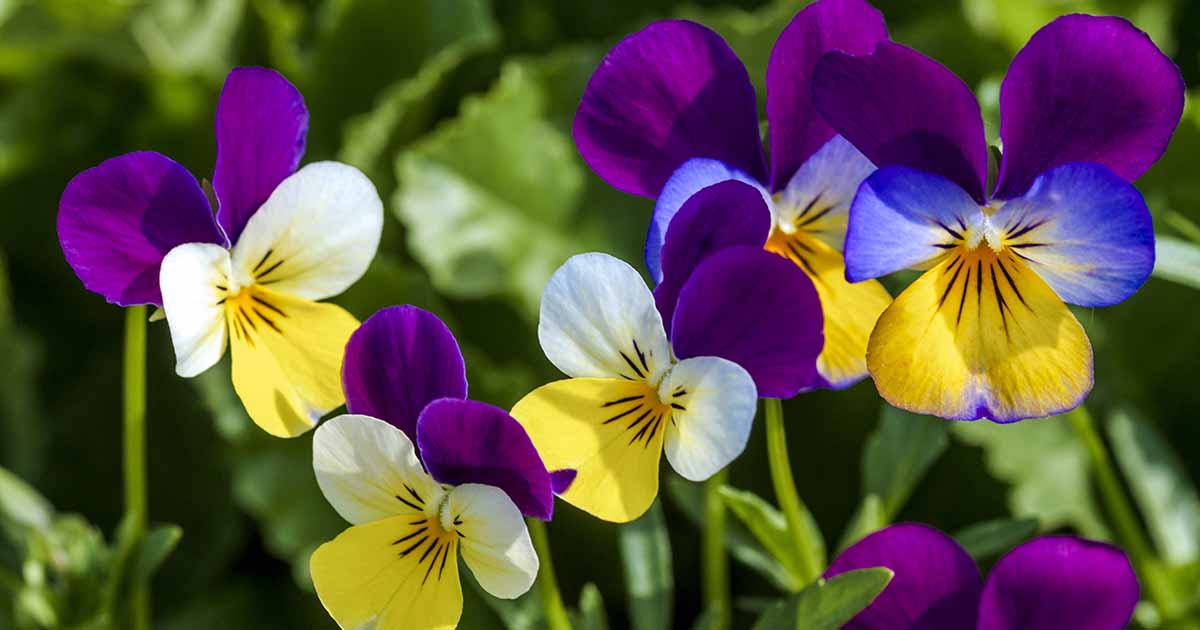
Violets have been admired for centuries, dating back to 500 BC in ancient Greece, where they were considered the symbolic flower of Athens. Their deep purple and blue hues have long been associated with love, modesty, faithfulness, and quiet strength.
While most people recognize violets for their rich purple tones, they also appear in cream, yellow, pink, white, and blue, making them far more versatile than they first appear.
A Flower Steeped in Culture & History
-
In Greek mythology, violets symbolized modesty and devotion
-
In Christian tradition, they represented humility and purity
-
In Native American culture, violets symbolized spiritual connection between earth and sky
-
In modern times, violets are prized in perfumery for their soft, sensual scent
Violets have also been used in cooking, herbal remedies, and even medieval medicine — a true multi-purpose bloom.
What Do Violets Symbolize?
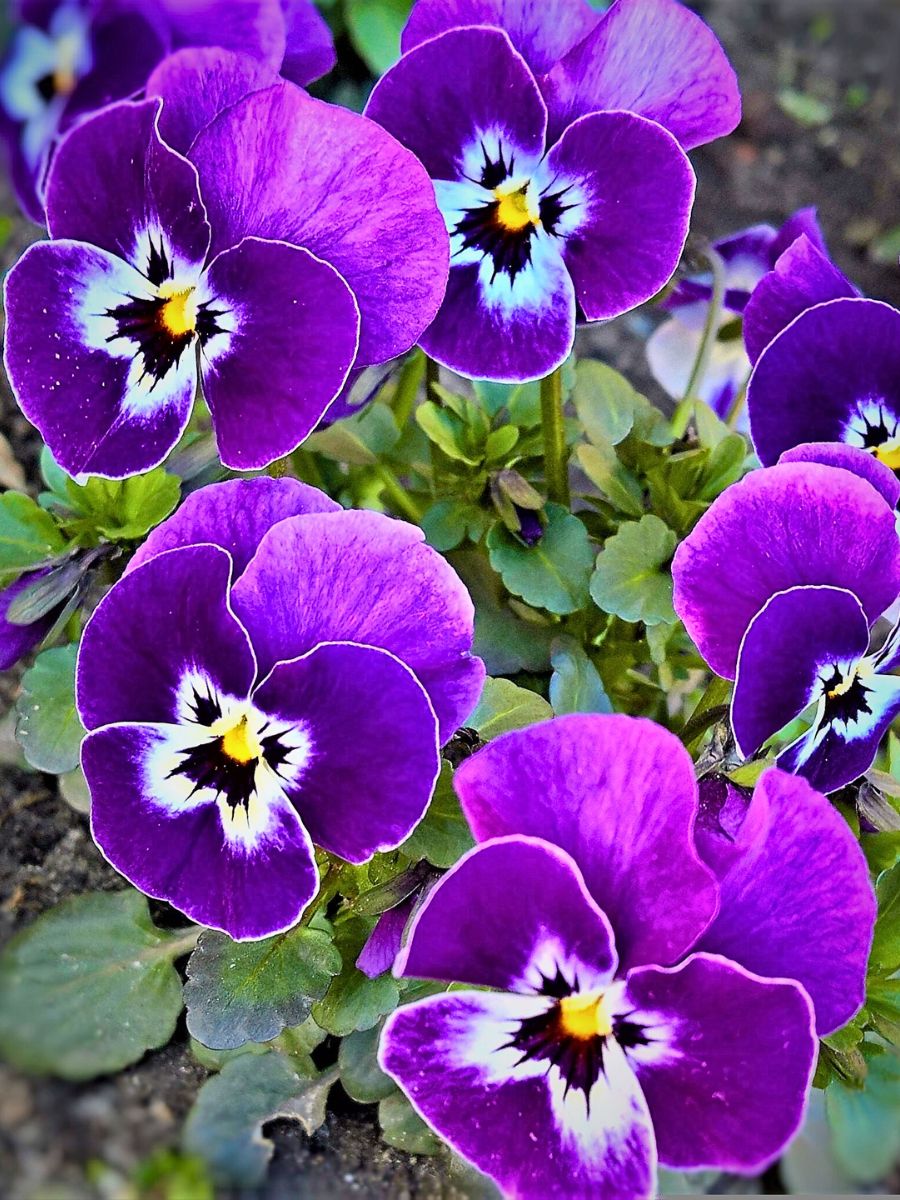

Violets commonly represent:
-
Love & devotion
-
Modesty & humility
-
Honesty & faithfulness
-
Spirituality & protection
Because February spans Aquarius and Pisces, violets align beautifully with both zodiac signs — symbolizing individuality, emotional depth, loyalty, and intuition.
Fun Facts About Violets 🌿
-
Cultivated since 500 BC
-
One of the most popular flowers used in luxury perfumes
-
Associated with royalty due to the color purple
-
Over 500 species, including pansies
-
Frequently appear in religious and classical artwork
-
Symbolize loyalty when gifted
February Birth Flower #2: Primrose — Bright, Youthful & Hopeful
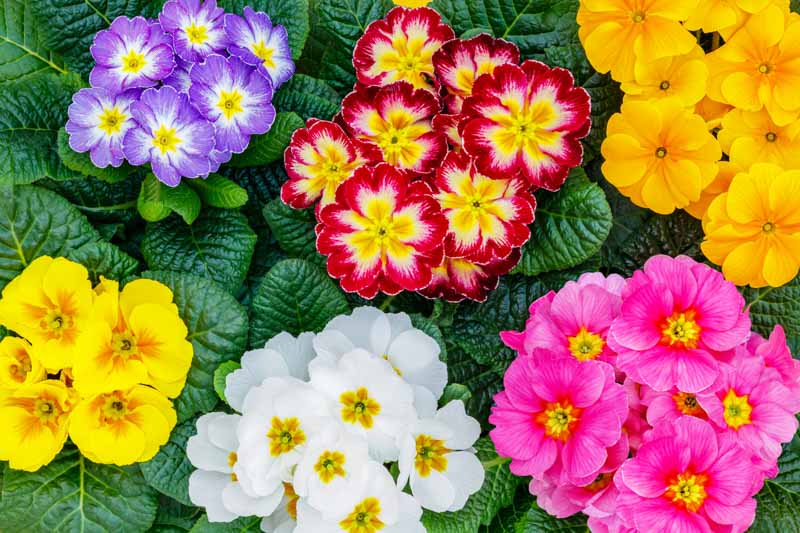
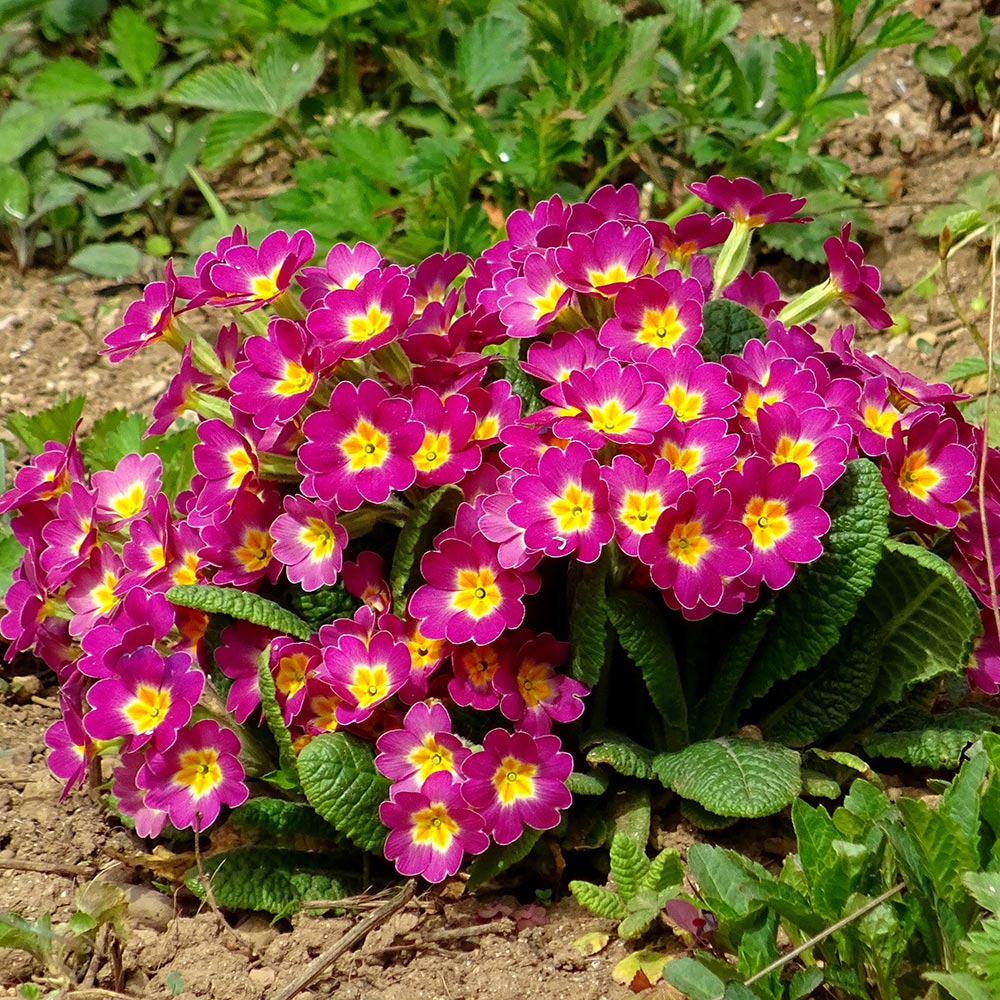

If Violet is deep and introspective, Primrose is joyful and expressive.
Primroses thrive in cooler climates and bloom just as winter begins to fade — making them a natural symbol of early spring, renewal, and young love. Unlike many spring flowers, primroses stand out for their bold, candy-like colors rather than soft pastels.
They grow widely across:
-
Northern Europe
-
England & Scandinavia
-
New England & Alaska
In England, April 19th is Primrose Day, honoring former Prime Minister Benjamin Disraeli — whose favorite flower was the primrose.
What Do Primroses Symbolize?
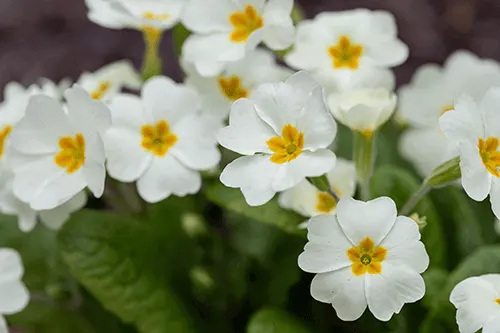
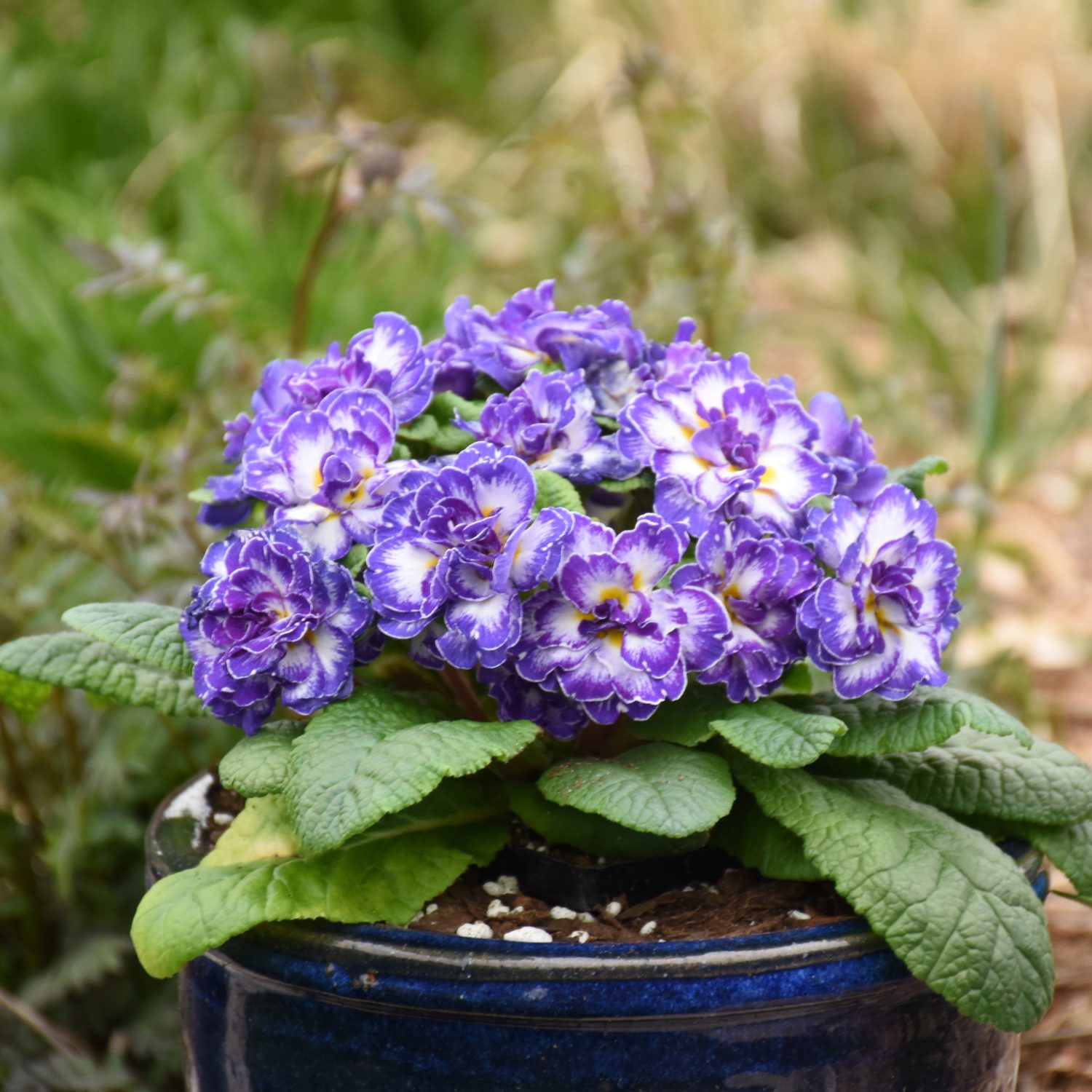

Primroses are often associated with:
-
Young love & romance
-
Femininity & grace
-
New beginnings
-
Protection & good luck
They perfectly reflect the emotional energy of February — a month that celebrates love in all its forms, from innocent affection to deep emotional bonds.
Violet & Primrose: The Perfect February Pair

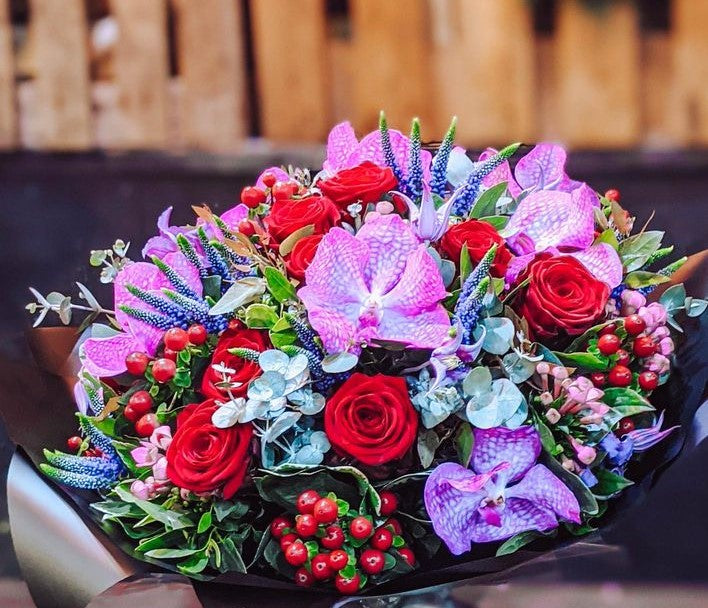
Together, Violet and Primrose tell a complete story:
-
Violet represents loyalty, depth, and spiritual love
-
Primrose symbolizes joy, youth, and fresh beginnings
They balance each other beautifully — making them the perfect floral symbols for February birthdays.
February Birthday Gift Idea: Faux Violets That Last Forever
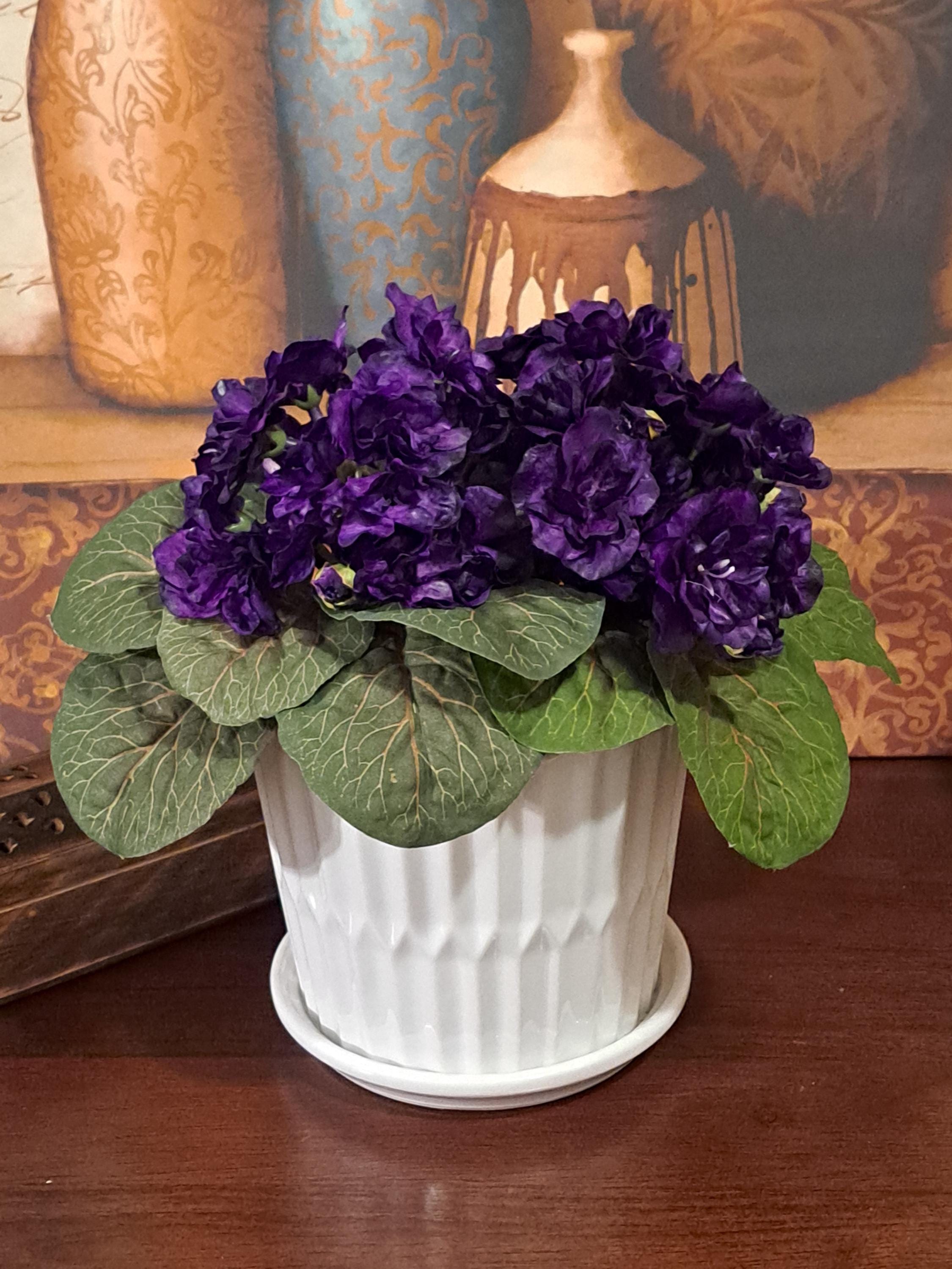
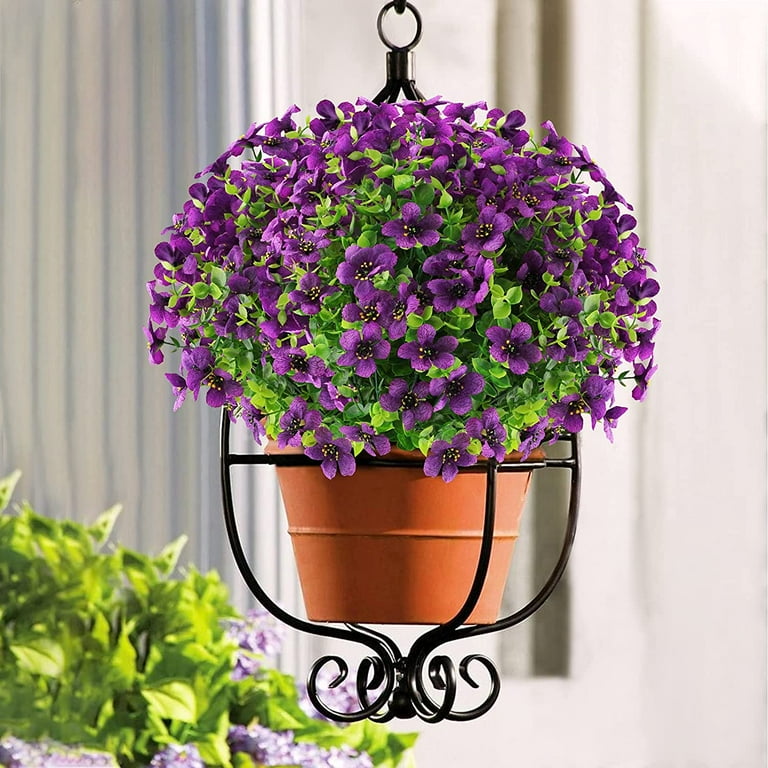

For those celebrating a February birthday, artificial violet arrangements make a meaningful and lasting gift — offering beauty without maintenance and symbolism that never fades.
Artificial violets are perfect for:
-
Kitchens & bathrooms
-
Bedrooms & desks
-
Thoughtful birthday gifting
A Birth Flower That Blooms Beyond the Season
February’s birth flowers remind us that love doesn’t have to be loud to be powerful — sometimes, it’s quiet, loyal, and deeply rooted.
Explore our curated Florona February Birth Flower Collection for timeless artificial violets and spring-inspired arrangements designed to celebrate love, beauty, and meaningful moments — year after year.
Tags:
February Birth Flower
Violet & Primrose Symbolism


